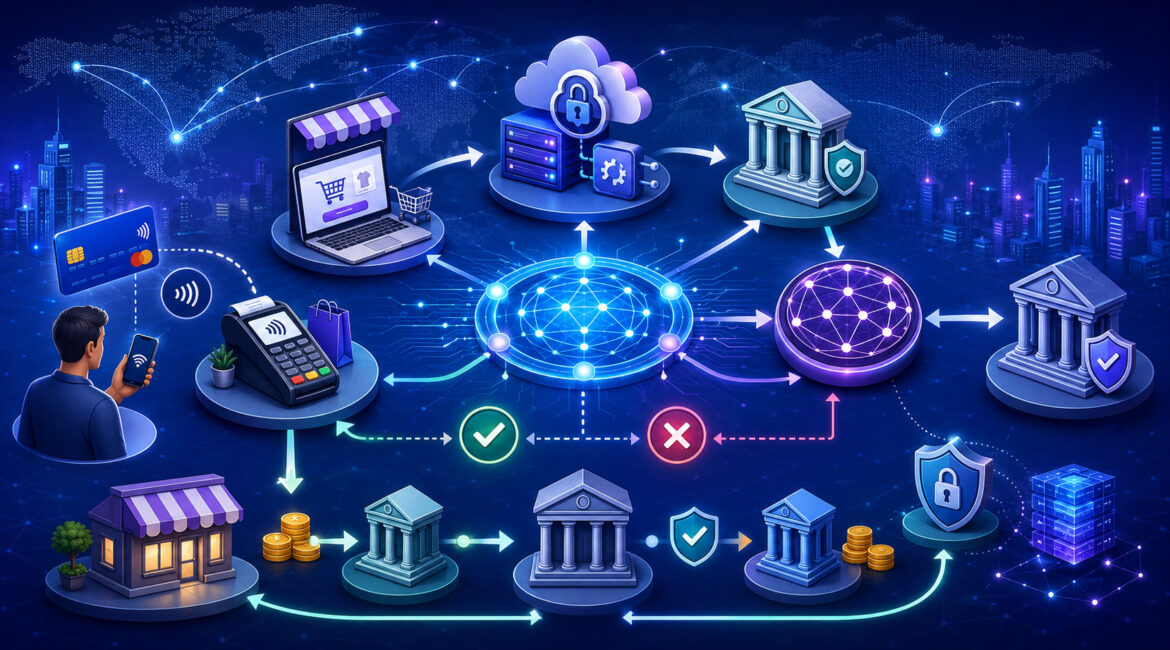
Payment networks are the invisible infrastructure behind most non-cash payments. Every time a customer taps a card, enters payment details at checkout, pays an invoice, uses a digital wallet, schedules a recurring bill, or sends money from one account to another, a network helps move payment instructions between the parties...
Payment Processing Fees Explained

Payment processing fees are one of the most common costs businesses face when they accept cards, digital payments, online invoices, mobile payments, or point-of-sale transactions. Yet many owners and finance teams only see the final deduction on a merchant statement without fully understanding what created it. That confusion is understandable....
The Most Common Mistakes High-Risk Merchants Make with Payment Processing

The realities of payment processing are different for every business. High-risk merchants, those who operate in industries prone to high chargeback rates, complex regulations, or unpredictable transaction patterns, are playing a tougher game than most in the fast-paced, high-stakes world of commerce. For them, processing payments isn’t merely a supporting...
How to Be a Successful Payment Processing Agent

In today's digital age, payment processing has become an integral part of businesses worldwide. As a payment processing agent, you play a crucial role in facilitating secure and efficient transactions between merchants and customers. This comprehensive guide will provide you with the necessary knowledge and skills to become a successful...
How Payment Processing Works
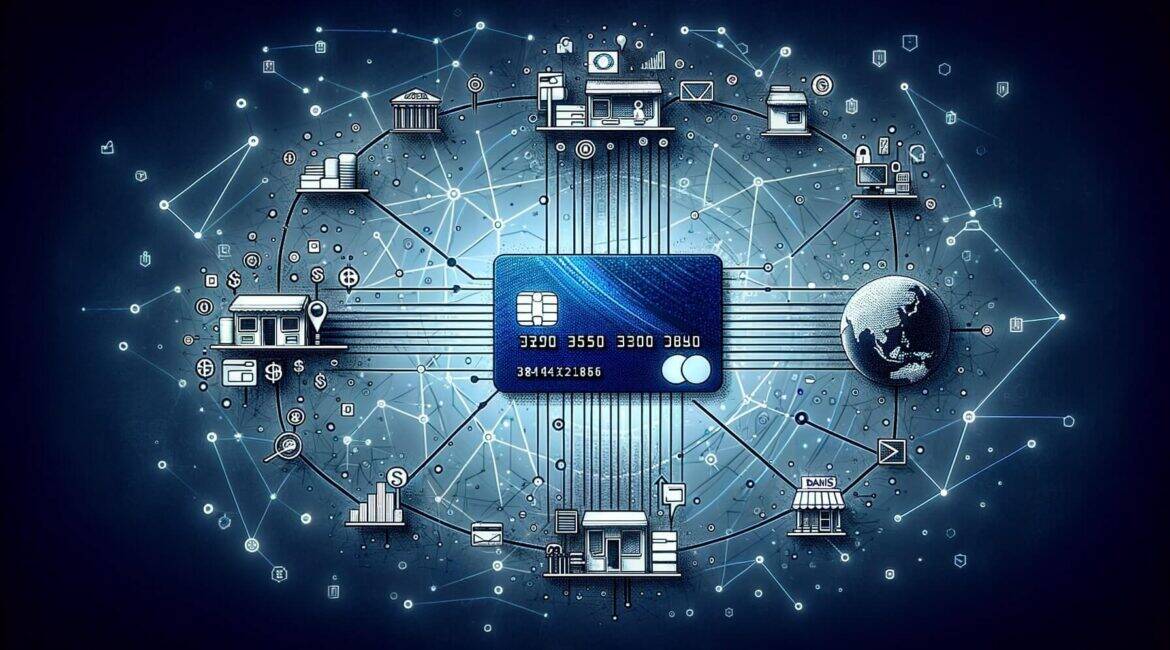
In today's digital age, payment processing has become an integral part of our daily lives. Whether we are purchasing goods online, paying bills, or transferring funds, payment processing plays a crucial role in facilitating these transactions. But have you ever wondered how payment processing actually works? In this comprehensive guide,...
Integrating Stripe with QuickBooks: A Comprehensive Guide
The integrating Stripe with QuickBooks simplifies accounting by streamlining data between Stripe and QuickBooks. It contains information on customers, payments, sales, taxes, and fees. This link helps dispel messy transactions and organize tax records. It also streamlines invoice payments and automates your Stripe transactions within QuickBooks. Businesses save time and money using payment processing...
How to Choose a Payment Processor

In today's digital age, businesses of all sizes rely heavily on electronic payments to facilitate transactions with their customers. Whether you operate an online store, a brick-and-mortar establishment, or a combination of both, having a reliable and efficient payment processor is crucial for the success of your business. But with...