
In today’s digital age, businesses of all sizes rely heavily on electronic payments to facilitate transactions with their customers. Whether you operate an online store, a brick-and-mortar establishment, or a combination of both, having a reliable and efficient payment processor is crucial for the success of your business. But with so many options available in the market, how do you choose the right payment processor that meets your specific needs?
In this comprehensive guide, we will walk you through the process of selecting a payment processor, covering various factors to consider, security measures, transaction fees, integration, customer support, reporting capabilities, international payment processing, and ultimately, making the final decision.
Understanding Different Types of Payment Processors
Before diving into the selection process, it is essential to understand the different types of payment processors available. Payment processors act as intermediaries between your business and the financial institutions that handle the actual transfer of funds. There are three main types of payment processors: traditional merchant accounts, payment gateways, and aggregators.
1. Traditional Merchant Accounts: A traditional merchant account is a type of payment processor that requires you to establish a direct relationship with a financial institution. This option is suitable for businesses with high transaction volumes and those that require more control over their payment processing. With a traditional merchant account, you have the ability to negotiate transaction fees and pricing models directly with the bank.
2. Payment Gateways: Payment gateways are online platforms that securely transmit payment information between your website or point-of-sale system and the financial institution. They act as a virtual terminal, encrypting sensitive data to ensure secure transactions. Payment gateways are often used in conjunction with a traditional merchant account, providing an additional layer of security and convenience for online businesses.
3. Aggregators: Aggregators, also known as payment facilitators or payment service providers, are third-party platforms that allow businesses to accept payments without the need for a traditional merchant account. Aggregators aggregate multiple merchants under a single account, simplifying the onboarding process and reducing the time and effort required to start accepting payments. This option is ideal for small businesses or startups with low transaction volumes.
Factors to Consider When Choosing a Payment Processor

Now that you have a basic understanding of the different types of payment processors, let’s explore the key factors you should consider when choosing the right one for your business.
1. Security and Fraud Prevention Measures: Security should be a top priority when selecting a payment processor. Look for processors that comply with industry standards such as Payment Card Industry Data Security Standard (PCI DSS) and offer additional security features like tokenization and encryption. These measures help protect sensitive customer data and reduce the risk of fraud.
2. Transaction Fees and Pricing Models: Transaction fees can significantly impact your bottom line, especially if you have high transaction volumes. It is crucial to understand the pricing structure of each payment processor you are considering. Some processors charge a flat fee per transaction, while others have tiered pricing based on transaction volume. Consider your business’s specific needs and projected transaction volume to determine which pricing model is most cost-effective for you.
3. Integration and Compatibility with Your Business Seamless integration with your existing systems is essential for a smooth payment processing experience. Consider the compatibility of the payment processor with your website, point-of-sale system, or e-commerce platform. Look for processors that offer easy-to-use APIs or plugins that can be integrated with your existing infrastructure without significant technical challenges.
4. Customer Support and Service Level Agreements: In the event of technical issues or payment disputes, reliable customer support is crucial. Look for payment processors that offer 24/7 customer support and have a reputation for providing prompt and helpful assistance. Additionally, review the service level agreements (SLAs) offered by the payment processor to ensure they align with your business’s needs and expectations.
5. Reporting and Analytics Capabilities: Access to comprehensive reporting and analytics can provide valuable insights into your business’s financial performance. Look for payment processors that offer robust reporting tools, allowing you to track sales, monitor transaction trends, and identify opportunities for growth. Customizable reports and real-time data are particularly beneficial for businesses that require detailed financial analysis.
6. Considering International Payment Processing If your business operates globally or plans to expand internationally, it is crucial to choose a payment processor that supports international payment processing. Look for processors that accept multiple currencies, offer localized payment methods, and have a global network of acquiring banks. Additionally, consider the foreign exchange rates and fees charged for international transactions.
Evaluating Security and Fraud Prevention Measures

When it comes to payment processing, security is paramount. As a business owner, you have a responsibility to protect your customers’ sensitive payment information and ensure secure transactions. Therefore, it is crucial to evaluate the security and fraud prevention measures offered by payment processors before making a decision.
1. Compliance with PCI DSS: The Payment Card Industry Data Security Standard (PCI DSS) is a set of security standards established by major credit card companies to protect cardholder data. Ensure that the payment processor you choose is PCI DSS compliant. This certification ensures that the processor has implemented robust security measures to protect sensitive customer information.
2. Tokenization: Tokenization is a security measure that replaces sensitive payment data, such as credit card numbers, with unique tokens. These tokens are meaningless to hackers and cannot be used to make fraudulent transactions. Look for payment processors that offer tokenization as an additional layer of security.
3. Encryption: Encryption is the process of converting sensitive data into unreadable code to prevent unauthorized access. Look for payment processors that use strong encryption algorithms to protect payment data during transmission and storage. The industry standard is 256-bit SSL encryption, which provides a high level of security.
4. Fraud Detection and Prevention: Fraudulent transactions can result in financial losses and damage to your business’s reputation. Look for payment processors that offer robust fraud detection and prevention tools. These tools use advanced algorithms and machine learning to analyze transaction patterns and identify suspicious activities in real-time.
5. Chargeback Protection: Chargebacks occur when a customer disputes a transaction and requests a refund from their bank. Excessive chargebacks can lead to financial penalties and even the termination of your payment processing account. Look for payment processors that offer chargeback protection services, such as dispute resolution assistance and fraud monitoring, to minimize the impact of chargebacks on your business.
Assessing Transaction Fees and Pricing Models
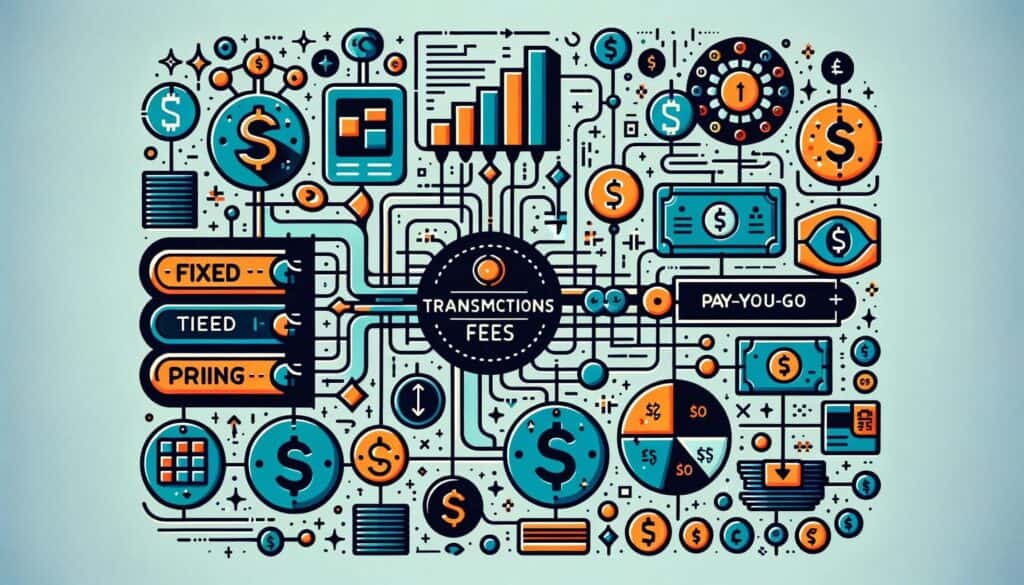
Transaction fees and pricing models can vary significantly among payment processors. It is essential to evaluate these factors to ensure that you are getting the best value for your money. Here are some key considerations when assessing transaction fees and pricing models:
1. Flat Fee vs. Percentage Fee: Payment processors typically charge a flat fee per transaction or a percentage fee based on the transaction amount. Flat fees are more predictable and may be more cost-effective for businesses with low transaction volumes. Percentage fees can be advantageous for businesses with high transaction volumes, as they offer a lower cost per transaction.
2. Tiered Pricing: Some payment processors offer tiered pricing based on transaction volume. As your business grows and processes more transactions, you may qualify for lower transaction fees. Consider your business’s projected transaction volume and growth potential when evaluating payment processors with tiered pricing.
3. Additional Fees: In addition to transaction fees, payment processors may charge additional fees for services such as chargebacks, refunds, international transactions, and account maintenance. Review the fee schedule of each payment processor to understand the total cost of using their services.
4. Negotiation: In some cases, you may have the opportunity to negotiate transaction fees and pricing models with the payment processor. This is more common when dealing with traditional merchant accounts. If you have a high transaction volume or unique business requirements, consider reaching out to the payment processor to discuss potential discounts or customized pricing.
Integration and Compatibility with Your Business
Seamless integration with your existing systems is crucial for a smooth payment processing experience. Whether you operate an e-commerce website, a point-of-sale system, or a combination of both, it is essential to choose a payment processor that is compatible with your business’s infrastructure. Here are some key factors to consider when evaluating integration and compatibility:
1. E-commerce Platforms: If you operate an online store, ensure that the payment processor you choose integrates seamlessly with your e-commerce platform. Popular e-commerce platforms such as Shopify, WooCommerce, and Magento have a wide range of payment processor integrations available. Check the compatibility of the payment processor with your specific platform and ensure that it supports the features you require, such as recurring billing or subscription management.
2. Point-of-Sale Systems: If you operate a brick-and-mortar store, compatibility with your point-of-sale (POS) system is crucial. Look for payment processors that offer integrations with popular POS systems such as Square, Clover, or Lightspeed. Seamless integration allows for a streamlined checkout process and ensures that sales data is accurately recorded in your POS system.
3. APIs and Plugins: APIs (Application Programming Interfaces) and plugins are tools provided by payment processors to facilitate integration with your website or POS system. APIs allow developers to build custom integrations, while plugins offer pre-built solutions for popular platforms. Consider the technical capabilities of your team and the level of customization required when evaluating the availability and ease of use of APIs and plugins.
4. Developer Resources and Documentation: If you have an in-house development team or work with external developers, consider the availability of developer resources and documentation provided by the payment processor. Well-documented APIs, sample code, and developer support can significantly simplify the integration process and reduce the time and effort required to implement the payment processor.
Analyzing Customer Support and Service Level Agreements
Reliable customer support is crucial when it comes to payment processing. In the event of technical issues, payment disputes, or general inquiries, having prompt and helpful customer support can make a significant difference in resolving problems quickly and minimizing disruptions to your business. Here are some key factors to consider when analyzing customer support and service level agreements (SLAs):
1. Availability: Look for payment processors that offer 24/7 customer support. This ensures that you can reach out for assistance at any time, regardless of your business’s operating hours or time zone. Consider the availability of different support channels, such as phone, email, live chat, or a dedicated support portal.
2. Response Time: Prompt response times are essential when dealing with urgent issues. Review the SLAs offered by the payment processor to understand their guaranteed response times for different types of inquiries. Look for processors that prioritize critical issues and provide timely updates on the status of ongoing investigations.
3. Expertise and Training: Knowledgeable customer support representatives can provide valuable guidance and troubleshooting assistance. Consider the expertise and training provided to customer support teams by the payment processor. Look for processors that offer comprehensive training materials, knowledge bases, or even dedicated account managers to ensure that you receive the support you need.
4. Reputation and Reviews: Research the reputation of the payment processor’s customer support by reading reviews and testimonials from other businesses. Look for feedback on the responsiveness, helpfulness, and overall satisfaction of customers with the support provided. Online forums and social media platforms can be valuable sources of information when evaluating customer support quality.
Examining Reporting and Analytics Capabilities
Access to comprehensive reporting and analytics capabilities can provide valuable insights into your business’s financial performance. Payment processors that offer robust reporting tools allow you to track sales, monitor transaction trends, and identify opportunities for growth. Here are some key factors to consider when examining reporting and analytics capabilities:
1. Sales Reports: Look for payment processors that provide detailed sales reports, including transaction volume, revenue, and average order value. Customizable reports that allow you to filter data by date range, product category, or customer segment can provide valuable insights into your business’s performance.
2. Transaction Trends: Analyzing transaction trends can help you identify patterns and make data-driven decisions. Look for payment processors that offer tools to track transaction trends over time, such as daily, weekly, or monthly reports. This information can help you identify peak sales periods, seasonal fluctuations, or changes in customer behavior.
3. Customer Insights: Understanding your customers’ purchasing behavior is crucial for effective marketing and customer retention strategies. Look for payment processors that provide customer insights, such as repeat purchase rates, customer lifetime value, or average time between purchases. This information can help you tailor your marketing efforts and improve customer loyalty.
4. Real-Time Data: Real-time data is particularly valuable for businesses that require up-to-the-minute information on sales and transactions. Look for payment processors that offer real-time reporting capabilities, allowing you to monitor sales as they happen and make immediate adjustments to your business strategies if necessary.
Considering International Payment Processing
If your business operates globally or plans to expand internationally, it is crucial to choose a payment processor that supports international payment processing. Here are some key considerations when considering international payment processing:
1. Multiple Currencies: Look for payment processors that support multiple currencies. This allows your customers to pay in their local currency, providing a more seamless and convenient checkout experience. Consider the number of currencies supported and whether the payment processor automatically converts currencies at competitive exchange rates.
2. Localized Payment Methods: Different countries have preferred payment methods that may differ from traditional credit card payments. Look for payment processors that support localized payment methods such as digital wallets, bank transfers, or alternative payment methods popular in specific regions. Offering these options can increase conversion rates and customer satisfaction.
3. Global Network of Acquiring Banks: Acquiring banks are financial institutions that process credit card transactions on behalf of merchants. Look for payment processors that have a global network of acquiring banks. This ensures that you can accept payments from customers around the world and reduces the risk of transaction declines due to geographical restrictions.
4. Foreign Exchange Rates and Fees: When processing international transactions, foreign exchange rates and fees can significantly impact your bottom line. Compare the foreign exchange rates and fees charged by different payment processors to ensure that you are getting competitive rates. Consider whether the payment processor offers transparent pricing and provides tools to manage foreign exchange risk.
Making the Final Decision: Choosing the Right Payment Processor
After considering all the factors discussed above, it’s time to make the final decision and choose the right payment processor for your business. Here are some additional tips to help you make an informed choice:
1. Prioritize Your Business Needs: Consider your business’s unique requirements and prioritize the features and capabilities that are most important to you. Create a checklist of must-have features and use it as a reference when evaluating payment processors.
2. Seek Recommendations: Reach out to other business owners in your industry or network and ask for their recommendations. Hearing about their experiences with different payment processors can provide valuable insights and help you make an informed decision.
3. Test the User Experience: Sign up for a trial or demo account with the payment processors you are considering. Test the user experience from both the merchant and customer perspectives. Evaluate the ease of setup, the checkout process, and the overall user interface. A smooth and intuitive user experience is crucial for both you and your customers.
4. Negotiate Terms: Once you have narrowed down your options, don’t be afraid to negotiate terms with the payment processors. Depending on your business’s size and transaction volume, you may be able to secure better rates or additional benefits. Reach out to the sales teams and discuss your requirements to see if there is room for negotiation.
5. Start Small and Scale: If you are unsure about committing to a long-term contract, consider starting with a payment processor that offers month-to-month or pay-as-you-go options. This allows you to test the waters and switch to a different processor if needed. As your business grows, you can reassess your needs and consider a more long-term solution.
FAQs
Q1. What is a payment processor?
Answer: A payment processor is a service provider that facilitates electronic payment transactions between businesses and their customers. It acts as the intermediary between the business and the customer’s financial institution, ensuring that payments are securely processed and funds are transferred seamlessly.
Q2. What are the different types of payment processors?
Answer: The two primary categories of payment processors are traditional merchant account providers and third-party payment processors. Traditional merchant account providers are financial institutions that enable businesses to accept credit and debit card payments. Third-party payment processors, such as PayPal, Stripe, and Square, act as intermediaries between the business and the customer’s financial institution, handling the payment processing on behalf of the business.
Q3. What factors should I consider when choosing a payment processor?
Answer: When choosing a payment processor, consider factors such as the processor’s reputation, security and fraud prevention measures, transaction fees and pricing models, integration and compatibility with your business, and customer support and service level agreements.
Q4. How important is security in payment processing?
Answer: Security is of utmost importance in payment processing. A security breach can result in financial losses, damage to your reputation, and potential legal liabilities. Ensure that the payment processor you choose adheres to industry-standard security protocols, such as PCI DSS compliance, and offers robust security and fraud prevention measures.
Q5. How do transaction fees and pricing models impact my business?
Answer: Transaction fees and pricing models can significantly impact your business’s profitability. Carefully evaluate the fee structure and pricing models offered by different payment processors to determine the most cost-effective option for your business. Consider factors such as flat fees, percentage-based fees, monthly fees, and any additional charges for specific services or features.
Conclusion
Choosing the right payment processor is a critical decision for any business. By understanding the different types of payment processors, evaluating security and fraud prevention measures, assessing transaction fees and pricing models, analyzing integration and compatibility with your business, and assessing customer support and service level agreements, you can make an informed decision that aligns with your business’s needs and goals.
Remember to prioritize security, consider the impact of transaction fees on your profitability, ensure seamless integration with your existing systems, and choose a processor with reliable customer support. By carefully considering these factors, you can select a payment processor that enhances your business’s efficiency, security, and customer experience.