
In today’s digital age, payment processing has become an integral part of our daily lives. Whether we are purchasing goods online, paying bills, or transferring funds, payment processing plays a crucial role in facilitating these transactions. But have you ever wondered how payment processing actually works?
In this comprehensive guide, we will delve into the intricacies of payment processing, exploring its ecosystem, the different types of payment methods and their processing, the role of payment gateways, security measures, the process of authorization and settlement, the importance of payment processing for businesses, common challenges, and the future of payment processing.
Understanding the Payment Processing Ecosystem
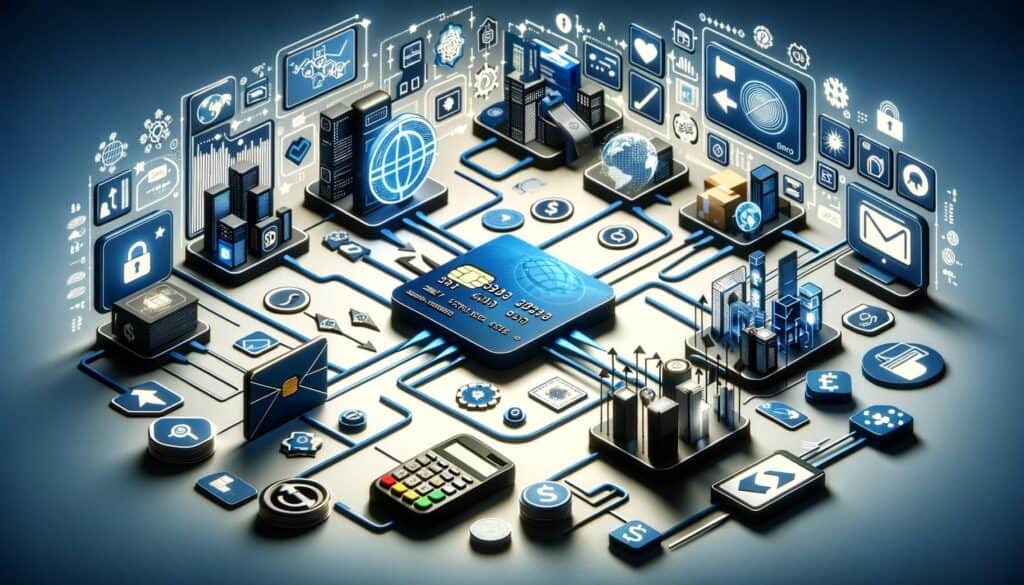
To understand payment processing, it is essential to grasp the ecosystem in which it operates. The payment processing ecosystem consists of various entities, including customers, merchants, payment processors, payment gateways, and banks. When a customer initiates a payment, the transaction flows through this ecosystem, with each entity playing a specific role.
Customers are the individuals or businesses making the payment, while merchants are the entities receiving the payment for goods or services. Payment processors act as intermediaries between customers and merchants, facilitating the transfer of funds.
Payment gateways, on the other hand, provide the technology infrastructure that enables secure transmission of payment data between customers, merchants, and payment processors. Banks play a vital role in the ecosystem by providing the necessary financial infrastructure to process and settle transactions.
Types of Payment Methods and their Processing
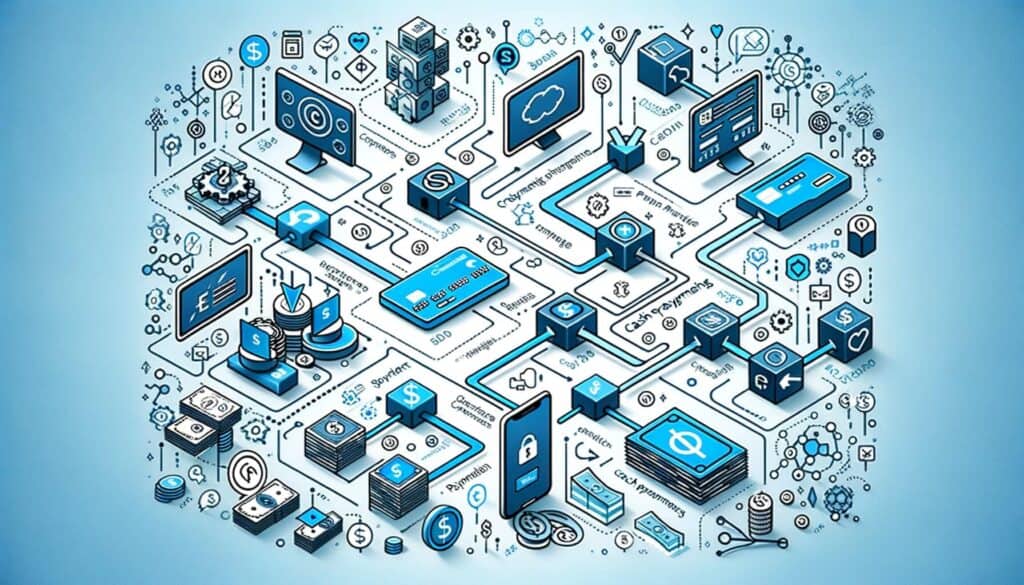
Payment methods have evolved significantly over the years, offering customers a wide range of options to choose from. The most common payment methods include credit cards, debit cards, mobile wallets, bank transfers, and cryptocurrencies. Each payment method has its own unique processing requirements and involves different entities within the payment processing ecosystem.
Credit and debit card payments are the most widely used methods, with customers providing their card details to merchants during the checkout process. The merchant then forwards this information to the payment processor, who verifies the transaction and requests authorization from the customer’s bank. Once authorized, the payment processor initiates the settlement process, transferring the funds from the customer’s bank account to the merchant’s account.
Mobile wallets, such as Apple Pay and Google Pay, have gained popularity in recent years. These wallets store customers’ payment information securely and allow for quick and convenient transactions. When a customer makes a payment using a mobile wallet, the payment gateway securely transmits the payment data to the payment processor, who then follows the same authorization and settlement process as with credit and debit cards.
Bank transfers involve customers initiating payments directly from their bank accounts to the merchant’s account. This method requires the customer to provide their bank account details to the merchant, who then forwards the information to the payment processor. The payment processor verifies the transaction and initiates the settlement process, transferring the funds from the customer’s bank account to the merchant’s account.
Cryptocurrencies, such as Bitcoin, have emerged as an alternative payment method. These digital currencies operate on decentralized networks, allowing for peer-to-peer transactions without the need for intermediaries like payment processors. When a customer pays with cryptocurrency, the transaction is verified and recorded on the blockchain, ensuring transparency and security.
The Role of Payment Gateways in Processing Transactions

Payment gateways play a crucial role in the payment processing ecosystem by securely transmitting payment data between customers, merchants, and payment processors. These gateways act as a bridge, ensuring that sensitive payment information is encrypted and transmitted securely.
When a customer initiates a payment, the payment gateway captures the payment data and encrypts it using industry-standard encryption algorithms. This encrypted data is then transmitted to the payment processor for further processing. The payment gateway also performs additional security checks, such as address verification and card security code validation, to minimize the risk of fraudulent transactions.
In addition to security, payment gateways also provide merchants with valuable features and functionalities. These include real-time transaction monitoring, customizable payment pages, recurring billing options, and integration with various e-commerce platforms. By leveraging these features, merchants can enhance the customer experience and streamline their payment processes.
The Security Measures in Payment Processing
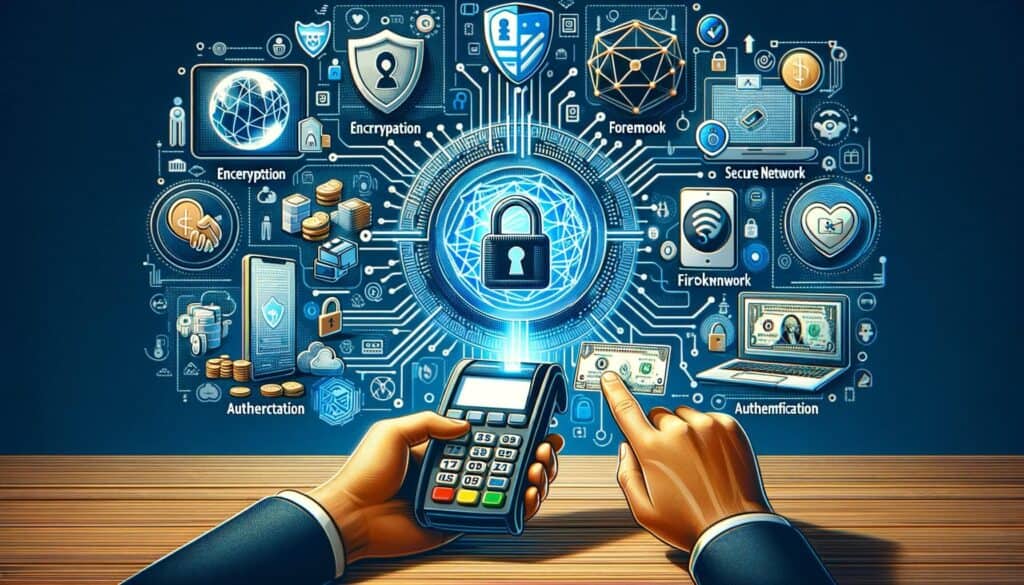
Security is of paramount importance in payment processing, as it involves the transmission and storage of sensitive customer information. To ensure the security of payment data, various measures are implemented throughout the payment processing ecosystem.
Encryption is a fundamental security measure used to protect payment data during transmission. Payment gateways and processors employ strong encryption algorithms to encrypt the data, making it unreadable to unauthorized parties. This ensures that even if the data is intercepted, it cannot be deciphered without the encryption key.
Tokenization is another security measure used to protect payment data. Tokenization involves replacing sensitive payment information, such as credit card numbers, with unique tokens. These tokens are meaningless to anyone who does not have access to the tokenization system, reducing the risk of data breaches.
Additionally, payment processors and gateways adhere to strict security standards, such as the Payment Card Industry Data Security Standard (PCI DSS). This standard outlines a set of requirements for handling, storing, and transmitting payment card data, ensuring that merchants and payment processors maintain a secure environment for processing transactions.
The Process of Authorization and Settlement
Once a customer initiates a payment, the transaction goes through a process of authorization and settlement. Authorization involves verifying the customer’s payment details and ensuring that they have sufficient funds to complete the transaction. Settlement, on the other hand, involves transferring the funds from the customer’s account to the merchant’s account.
During the authorization process, the payment processor sends a request to the customer’s bank, asking for authorization to proceed with the transaction. The bank checks the customer’s account balance and verifies the transaction details. If the customer has sufficient funds and the transaction is valid, the bank sends an authorization code back to the payment processor.
Once authorized, the payment processor initiates the settlement process. This involves transferring the funds from the customer’s bank account to the merchant’s account. Settlement can occur in real-time or on a delayed basis, depending on the payment method and the agreement between the merchant and the payment processor.
The Importance of Payment Processing for Businesses
Payment processing is of utmost importance for businesses, as it enables them to accept and process payments from customers. Without an efficient payment processing system, businesses would struggle to receive payments, resulting in lost sales and dissatisfied customers.
By offering a variety of payment methods, businesses can cater to the preferences of their customers, increasing the likelihood of completing a sale. Furthermore, a seamless and secure payment process enhances the customer experience, fostering trust and loyalty.
Payment processing also provides businesses with valuable insights and analytics. By analyzing transaction data, businesses can gain valuable insights into customer behavior, preferences, and trends. This information can be used to optimize marketing strategies, improve product offerings, and enhance overall business performance.
Common Challenges in Payment Processing and How to Overcome Them
While payment processing has revolutionized the way we transact, it is not without its challenges. Some common challenges faced by businesses and payment processors include fraud, chargebacks, technical issues, and regulatory compliance.
Fraud is a significant concern in payment processing, with cybercriminals constantly devising new methods to exploit vulnerabilities. To mitigate the risk of fraud, businesses and payment processors employ various fraud detection and prevention measures. These include real-time transaction monitoring, address verification, card security code validation, and machine learning algorithms that analyze transaction patterns to identify suspicious activity.
Chargebacks occur when a customer disputes a transaction and requests a refund from their bank. Chargebacks can be costly for businesses, as they not only result in lost revenue but also incur chargeback fees. To minimize chargebacks, businesses should provide clear product descriptions, excellent customer service, and a streamlined refund process. Additionally, implementing a robust dispute resolution process can help resolve chargebacks efficiently.
Technical issues, such as system downtime or slow processing speeds, can disrupt payment processing operations. To overcome these challenges, businesses should invest in reliable payment processing systems and regularly monitor their performance. Implementing redundancy measures, such as backup servers and failover systems, can also help minimize the impact of technical issues.
Regulatory compliance is another challenge in payment processing, as businesses must adhere to various laws and regulations to ensure the security and privacy of customer data. Staying up to date with the latest regulations, such as the General Data Protection Regulation (GDPR) and the California Consumer Privacy Act (CCPA), is crucial. Implementing robust data protection measures, conducting regular security audits, and providing clear privacy policies can help businesses maintain compliance.
Frequently Asked Questions about Payment Processing
Q1. What is payment processing?
Answer: Payment processing refers to the steps involved in facilitating a transaction between a customer and a merchant. It involves the verification of payment details, authorization of the transaction, and settlement of funds.
Q2. What are the different types of payment methods?
Answer: The different types of payment methods include credit cards, debit cards, mobile wallets, bank transfers, and cryptocurrencies.
Q3. What is a payment gateway?
Answer: A payment gateway is a technology infrastructure that securely transmits payment data between customers, merchants, and payment processors.
Q4. How is payment data secured during transmission?
Answer: Payment data is secured during transmission through encryption and tokenization. Encryption ensures that the data is unreadable to unauthorized parties, while tokenization replaces sensitive information with unique tokens.
Q5. What is the process of authorization and settlement?
Answer: Authorization involves verifying the customer’s payment details and requesting authorization from their bank. Settlement involves transferring the funds from the customer’s account to the merchant’s account.
Conclusion
As technology continues to advance, the future of payment processing looks promising. We can expect to see further innovations in payment methods, such as the widespread adoption of mobile wallets and cryptocurrencies. Additionally, advancements in artificial intelligence and machine learning will enhance fraud detection and prevention measures, making payment processing even more secure.
Furthermore, the rise of the Internet of Things (IoT) will enable seamless and secure payments through connected devices. Imagine a world where your refrigerator automatically orders groceries and pays for them, or your car pays for parking without you having to take out your wallet. These advancements will revolutionize the way we transact, making payment processing more convenient and efficient than ever before.
In conclusion, payment processing is a complex ecosystem that plays a vital role in facilitating transactions between customers and merchants. By understanding how payment processing works, businesses can optimize their payment processes, enhance the customer experience, and stay ahead in an increasingly digital world. With the right payment processing infrastructure and security measures in place, businesses can thrive and adapt to the ever-evolving landscape of payment processing.