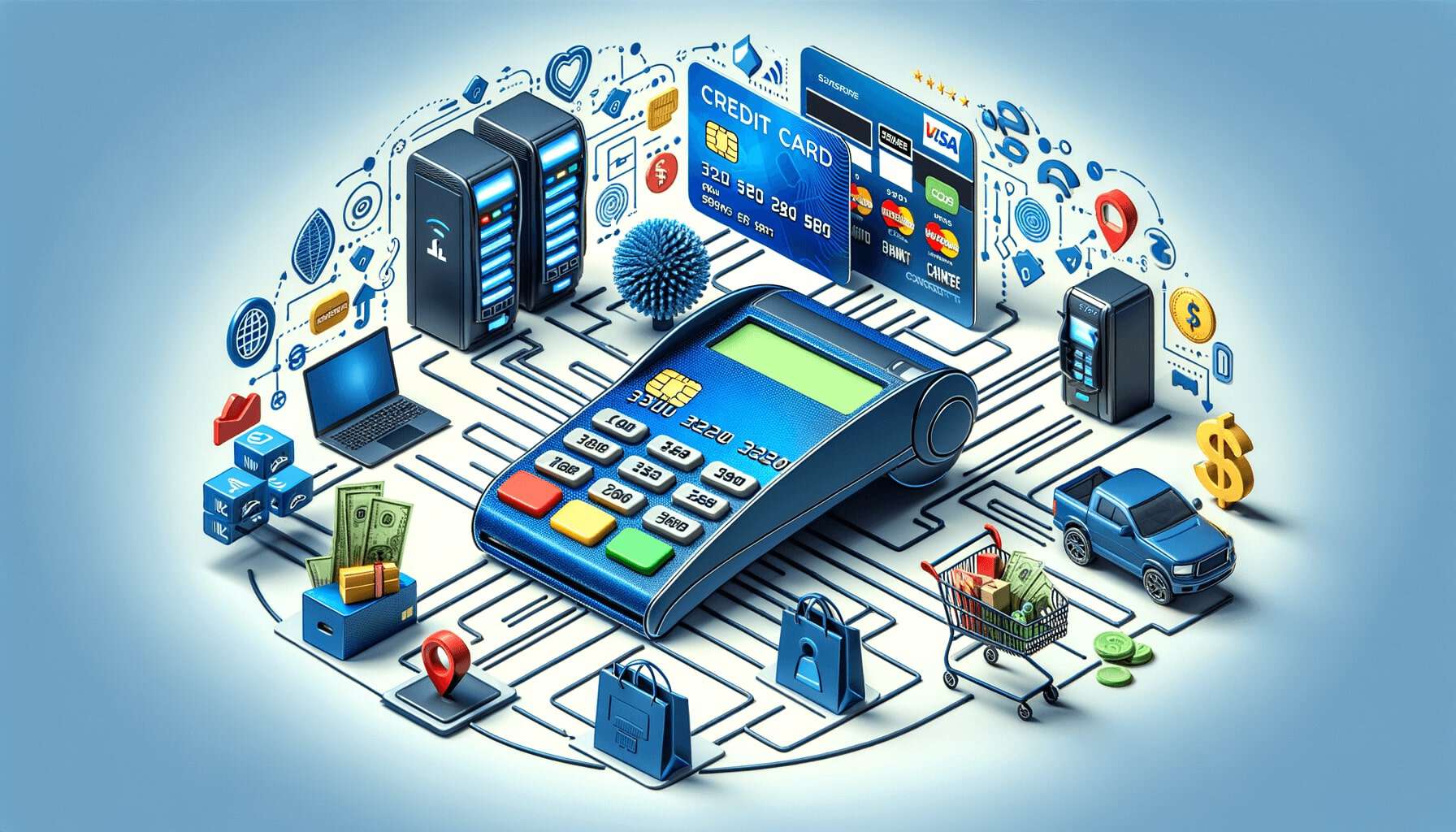
Credit card processing has become an integral part of our daily lives, enabling us to make purchases conveniently and securely. But have you ever wondered how credit card processing actually works?
In this comprehensive guide, we will delve into the intricacies of credit card processing, exploring the parties involved, the transaction process, fees and costs, security measures, different types of processing, equipment and technology, common challenges, and frequently asked questions.
The Parties Involved in Credit Card Processing

Credit card processing involves several parties working together seamlessly to facilitate transactions. The key players in this process include the cardholder, the merchant, the acquiring bank, the issuing bank, and the payment processor.
The cardholder is the individual who possesses the credit card and wishes to make a purchase. They provide their card details to the merchant during the transaction.
The merchant is the business or entity that sells goods or services and accepts credit card payments. They are responsible for initiating the transaction and obtaining authorization from the cardholder’s issuing bank.
The acquiring bank, also known as the merchant bank, is the financial institution that establishes and maintains the merchant’s account. They facilitate the transfer of funds from the cardholder’s account to the merchant’s account.
The issuing bank is the financial institution that issued the credit card to the cardholder. They are responsible for approving or declining the transaction based on the cardholder’s available credit and other factors.
The payment processor acts as an intermediary between the merchant, acquiring bank, and issuing bank. They handle the technical aspects of the transaction, including data encryption, authorization, and settlement.
The Credit Card Transaction Process

The credit card transaction process involves several steps, starting from the moment the cardholder decides to make a purchase until the funds are transferred to the merchant’s account. Let’s explore each step in detail.
- Authorization Request: When the cardholder presents their credit card for payment, the merchant initiates an authorization request. This request includes the cardholder’s account information, transaction amount, and other relevant details.
- Authorization Approval: The authorization request is sent to the payment processor, who forwards it to the cardholder’s issuing bank. The issuing bank reviews the request and approves or declines the transaction based on factors such as available credit, fraud detection algorithms, and the cardholder’s transaction history.
- Authorization Response: The issuing bank sends an authorization response back to the payment processor, indicating whether the transaction is approved or declined. This response is then relayed to the merchant.
- Transaction Completion: If the transaction is approved, the merchant completes the sale by obtaining the cardholder’s signature or other forms of verification. The payment processor captures the transaction details and prepares it for settlement.
- Settlement: The settlement process involves transferring the funds from the cardholder’s account to the merchant’s account. The payment processor sends a settlement request to the acquiring bank, who then transfers the funds to the merchant’s account within a specified timeframe.
Credit Card Processing Fees and Costs
Credit card processing fees and costs are an essential aspect of the credit card processing ecosystem. Understanding these fees is crucial for merchants to make informed decisions and manage their finances effectively. Let’s explore the different types of fees and costs associated with credit card processing.
- Interchange Fees: Interchange fees are charged by the cardholder’s issuing bank and are the largest component of credit card processing costs. These fees are a percentage of the transaction amount and vary depending on factors such as the type of card used, the merchant’s industry, and the transaction method (e.g., in-person or online).
- Assessment Fees: Assessment fees are charged by the card networks, such as Visa, Mastercard, or American Express. These fees are typically a small percentage of the transaction amount and contribute to the overall cost of processing.
- Markup Fees: Markup fees are charged by the payment processor or merchant service provider. These fees are added on top of the interchange and assessment fees and are the primary source of revenue for the processor. Markup fees can be structured in various ways, such as a percentage of the transaction amount, a flat fee per transaction, or a combination of both.
- Monthly Fees: Some processors may charge monthly fees for services such as account maintenance, statement generation, or customer support. These fees can vary depending on the processor and the services provided.
- Equipment Costs: Merchants may need to invest in credit card processing equipment, such as card readers or point-of-sale terminals. These costs can vary depending on the type of equipment and the merchant’s specific requirements.
It’s important for merchants to carefully review and compare the fees and costs associated with different processors to ensure they are getting the best value for their business.
Security Measures in Credit Card Processing

Security is a paramount concern in credit card processing, given the sensitive nature of cardholder data. To protect against fraud and unauthorized access, various security measures are implemented throughout the credit card processing ecosystem. Let’s explore some of the key security measures in place.
- Data Encryption: Encryption is used to protect cardholder data during transmission and storage. Secure Socket Layer (SSL) or Transport Layer Security (TLS) protocols are commonly employed to encrypt data between the merchant’s website or point-of-sale system and the payment processor.
- Tokenization: Tokenization is a process that replaces sensitive cardholder data with a unique identifier called a token. This token is used for transaction processing, while the actual cardholder data is securely stored by the payment processor. Tokenization helps reduce the risk of data breaches as the sensitive data is not stored within the merchant’s systems.
- PCI DSS Compliance: The Payment Card Industry Data Security Standard (PCI DSS) is a set of security standards established by the major card networks to ensure the protection of cardholder data. Merchants are required to comply with these standards, which include measures such as maintaining a secure network, regularly monitoring and testing systems, and implementing strong access control measures.
- Fraud Detection and Prevention: Advanced fraud detection tools and algorithms are employed by payment processors to identify and prevent fraudulent transactions. These tools analyze various data points, such as transaction patterns, IP addresses, and cardholder behavior, to detect suspicious activity and trigger additional security measures.
- EMV Chip Technology: EMV (Europay, Mastercard, and Visa) chip technology has become the standard for credit card processing. EMV chips provide enhanced security compared to traditional magnetic stripe cards by generating a unique transaction code for each transaction, making it difficult for fraudsters to clone or counterfeit cards.
By implementing these security measures, credit card processing systems strive to protect cardholder data and ensure secure transactions for both merchants and cardholders.
Different Types of Credit Card Processing
Credit card processing is not a one-size-fits-all solution. Different businesses have unique requirements and preferences when it comes to accepting credit card payments. Let’s explore some of the different types of credit card processing available.
- Point-of-Sale (POS) Systems: POS systems are commonly used by brick-and-mortar businesses to accept credit card payments. These systems typically include a card reader or terminal connected to a central processing unit. They offer features such as inventory management, sales reporting, and integration with other business tools.
- Mobile Payment Solutions: With the rise of smartphones, mobile payment solutions have gained popularity. These solutions allow merchants to accept credit card payments using a mobile device, such as a smartphone or tablet. Mobile payment apps and card readers enable secure transactions on the go, making them ideal for businesses that operate outside of traditional brick-and-mortar locations.
- E-commerce Platforms: E-commerce platforms provide online businesses with the ability to accept credit card payments through their websites. These platforms often integrate with payment gateways, which securely transmit transaction data between the merchant’s website and the payment processor.
- Virtual Terminals: Virtual terminals are web-based applications that allow merchants to manually enter credit card information for processing. They are commonly used for mail or phone orders, where the cardholder’s physical presence is not required. Virtual terminals provide a convenient way to process transactions without the need for specialized hardware.
- Recurring Billing Solutions: Some businesses, such as subscription-based services or membership organizations, require the ability to process recurring payments. Recurring billing solutions automate the process of charging customers on a regular basis, reducing administrative overhead and ensuring timely payments.
By understanding the different types of credit card processing available, merchants can choose the solution that best suits their business model and customer needs.
Credit Card Processing Equipment and Technology
Credit card processing equipment and technology play a crucial role in facilitating transactions and ensuring a seamless payment experience for both merchants and cardholders. Let’s explore some of the common equipment and technologies used in credit card processing.
- Card Readers: Card readers are devices used to read the information stored on a credit card’s magnetic stripe or EMV chip. They are available in various forms, including countertop terminals, mobile card readers, and integrated solutions. Card readers securely transmit the cardholder’s data to the payment processor for authorization.
- Payment Gateways: Payment gateways are software applications that facilitate the secure transmission of transaction data between the merchant’s website or point-of-sale system and the payment processor. They encrypt sensitive data and provide real-time authorization responses, ensuring a secure and efficient transaction process.
- Near Field Communication (NFC): NFC technology enables contactless payments, allowing cardholders to make transactions by simply tapping their card or mobile device on a compatible reader. NFC is commonly used for mobile wallet payments, such as Apple Pay or Google Pay, and provides a convenient and secure payment method.
- Mobile Wallets: Mobile wallets are digital wallets that store a cardholder’s payment information on their mobile device. These wallets can be used for in-person or online transactions, eliminating the need to carry physical cards. Mobile wallets often utilize NFC technology for contactless payments.
- Point-of-Sale Systems: Point-of-sale systems encompass a combination of hardware and software that enables merchants to process credit card payments. These systems typically include a card reader, cash register, receipt printer, and software for managing sales and inventory. Advanced point-of-sale systems may also integrate with other business tools, such as accounting or customer relationship management software.
By leveraging the right equipment and technology, merchants can streamline their credit card processing operations and provide a seamless payment experience to their customers.
Common Challenges and Solutions in Credit Card Processing
While credit card processing offers numerous benefits, it also presents challenges that merchants must navigate. Let’s explore some of the common challenges faced in credit card processing and the solutions available.
- Chargebacks: Chargebacks occur when a cardholder disputes a transaction and requests a refund from their issuing bank. Chargebacks can be costly for merchants, as they often result in the loss of both the transaction amount and additional chargeback fees. To mitigate the risk of chargebacks, merchants should maintain clear refund policies, provide excellent customer service, and keep detailed records of transactions.
- Fraud Prevention: Fraud is a constant threat in credit card processing. Merchants must implement robust fraud prevention measures to protect themselves and their customers. This includes using fraud detection tools, verifying customer information, and staying up to date with the latest security practices.
- PCI Compliance: Achieving and maintaining PCI DSS compliance can be a complex and time-consuming process for merchants. However, non-compliance can result in significant fines and reputational damage. Merchants should work closely with their payment processor to ensure they meet all PCI requirements and regularly undergo security audits.
- Integration Challenges: Integrating credit card processing with existing business systems, such as accounting or inventory management software, can be challenging. Merchants should choose payment processors that offer seamless integration options or work with developers to build custom integrations.
- Payment Disputes: Occasionally, disputes may arise between merchants and payment processors regarding transaction fees, chargebacks, or other financial matters. Merchants should maintain open lines of communication with their payment processor and seek resolution through negotiation or mediation.
By proactively addressing these challenges and leveraging available solutions, merchants can optimize their credit card processing operations and minimize potential risks.
FAQs
Q1: How long does it take for a credit card transaction to be processed?
The time it takes for a credit card transaction to be processed can vary depending on several factors, including the payment processor, the cardholder’s issuing bank, and the type of transaction. In general, most transactions are authorized within seconds, but settlement may take a few days.
Q2: Can I accept credit card payments without a merchant account?
Yes, there are alternative payment solutions, such as third-party payment processors or payment aggregators, that allow businesses to accept credit card payments without a traditional merchant account. These solutions often have simplified onboarding processes but may come with higher fees or limited features.
Q3: What is a chargeback, and how can I prevent them?
A chargeback occurs when a cardholder disputes a transaction and requests a refund from their issuing bank. To prevent chargebacks, merchants should provide clear product descriptions, excellent customer service, and prompt resolution of customer concerns. Additionally, implementing fraud detection tools and maintaining detailed transaction records can help identify and prevent fraudulent chargebacks.
Q4: What is the difference between a payment gateway and a payment processor?
A payment gateway is a software application that securely transmits transaction data between the merchant’s website or point-of-sale system and the payment processor. The payment processor, on the other hand, handles the technical aspects of the transaction, including authorization, settlement, and funds transfer.
Q5: Are there any alternatives to traditional credit card processing?
Yes, there are alternative payment methods available, such as digital wallets, mobile payment solutions, or cryptocurrency payments. These alternatives offer different benefits and cater to specific customer preferences. Merchants should consider their target audience and business model when evaluating alternative payment options.
Conclusion
Credit card processing is a complex ecosystem that enables businesses to accept credit card payments securely and efficiently. By understanding the parties involved, the transaction process, fees and costs, security measures, different types of processing, equipment and technology, common challenges, and frequently asked questions, merchants can navigate the credit card processing landscape with confidence.
As technology continues to evolve, credit card processing will undoubtedly undergo further advancements, offering even more convenience and security for both merchants and cardholders. By staying informed and adapting to these changes, businesses can leverage credit card processing to enhance their operations and provide exceptional payment experiences to their customers.