
A high-risk business is usually involved in an industry with a higher probability of exposure to chargeback, fraud, legal limitations, or regulatory complications. Such industries include CBD, adult, gaming, and travel. Frequently, such businesses struggle to get solid payment processing, as conventional gateway providers consider them too risky to process.
Traditional payment gateways avoiding merchants with risky business types for fear of financial and reputational ruin. This tends to be unfavorable for processors as they worry about high chargeback ratios and non-compliance penalties, as well as being associated with legally questionable or unstable industries. This compels high risk merchants to search for tailor-made payment processor services.
This is where a high-risk payment gateway comes into the picture. It supports safe, reliable and compliant payment processing for high risk industries. These gateways keep business running, reduce sudden freezing of accounts and ensure strong cash flows. Now, let us see the characteristics of a high-risk payment gateway.
What is a High-Risk Payment Gateway?
A high-risk payment gateway is a payment interface that enables business owners to accept processing payments even though their business poses a higher risk than others. These systems are more capable than the traditional gateways because they can handle larger chargebacks, are more compliant, and have a stronger capability to help you to reduce your fraud.
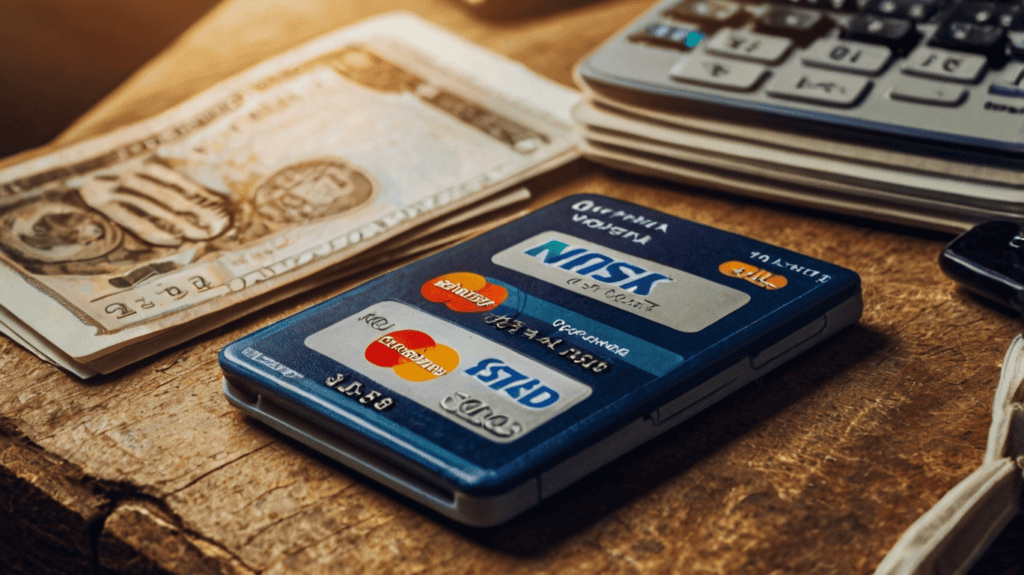
Where normal gateways will turn businesses away in industries such as CBD and adult services, a high-risk gateway provides the safety, compliance, and scalability needed for payment processing in these industries. For businesses that otherwise might find it impossible to accept online payments, it works as a lifeline.
Who Needs a High-Risk Gateway?
Certain sectors are inherently red-flagged as high risk, because of high chargeback levels, regulatory oversight or potential fraud. These include:
- CBD and nutraceuticals
- Adult entertainment
- Online gambling and casinos
- Forex and binary options
- Tour operators and travel agents
- SaaS and subscription box services
Such business face chargeback scenarios if the customers dispute the purchase, if transactions are paid with stolen card or if a risk occurs with a government restrictions. High-risk merchant gateway is necessary to make sure that payments are flowing smoothly and the space is secured for both the merchants as well as the customers.
Key Features of a High-Risk Payment Gateway
Here are some of the essential features that you should look in a high-risk payment gateway:
Robust Fraud Detection & Prevention Tools
Security is non-negotiable. A high-risk gateway with robust, real-time monitoring and layered fraud detection systems can help to keep suspicious activity at bay.

Top tools include:
- Address Verification System (AVS)
- Card Verification Value (CVV) control
- 3D Secure authentication
- Velocity checks for monitoring the frequency of transactions
AI and machine learning are also being used by sophisticated gateways to spot unusual patterns, stop bot attacks and highlight risky activity before transactions are approved as well.
Chargeback Management and Alerts
Chargebacks are high-risk merchants worst enemy. A dependable high-risk payment gateway should prevent and combat chargebacks on your behalf.
Key features include:
- A service which warns a merchant of an impending chargeback
- Connect to Ethoca and Verifi to deflect chargeback before they escalate
- Comprehensive reports and evidence-based response support
Effective chargeback management is essential to reducing revenue loss and maintaining a good status for your merchant account.
Multi-Currency and Global Support
High risk merchants frequently do business with customers and clients located in other countries. A good payment gateway should enable:
- Acceptance of multiple currencies
- Cross-border payment processing
- Dynamic currency conversion (DCC)
- Multi-language interfaces for global buyers
This capability makes sure that customers all over the world have a frictionless payment experience and boosts conversion rates globally.
Recurring Billing and Subscription Support
For companies that have business models that depend on continuity, they must have recurring billing support.
Key capabilities include:
- Intelligent retry logic for re-payments
- Tokenization capabilities for secured future transactions with card details
- Automatic reminders and receipts for transparency and happy clients
This ensures seamless billing cycles and reduces churn caused by payment failures.
Technical Features to Look For
When looking for a high-risk payment gateway, here are the technical features you must look into:
API Flexibility and Developer-Friendly Tools
A High-risk payment gateway must offer strong payment APIs and easy to follow setup documentation. This way, the onboarding process is frictionless, for those businesses that have their own custom website or app.

Look for:
- Detailed API documentation with real-time support
- Prebuilt SDKs and plugins for platforms like Shopify, WooCommerce, or Magento
- Sandbox environments to test integrations before going live
These features make it easy for developers to add the payment feature with minimal effort to setup and no potential for error.
Payment Processor and Acquirer Integration
High risk gateways should support more than one processor and acquiring bank for better approval and system up time.
Key considerations:
- Failover routing to redirect transactions if a processor goes down
- Multiple acquirer support across regions for better reach and higher approvals
- Clear distinction between aggregated MIDs (shared accounts) vs. dedicated MIDs (individual merchant accounts), with pros and cons for each
This allows for greater control, quicker settlements, and a more stable operation.
PCI DSS Compliance and Data Security
You don’t get to choose whether or not to be security compliant—it is a requirement. A reliable high-risk payment gateway should be PCI DSS level 1 compliant.
Other must-haves include:
- End-to-end encryption of the data in motion and at rest
- Tokenization for substitution of card data with secure tokens
- Full liability for fraud risk with end-to-end protection
This is all part of keeping customers’ payment data safe and limiting exposure to data breaches.
Mobile and NFC Payment Compatibility
With mobile commerce on the rise, your gateway should support mobile-optimized checkouts as well as contactless payments.
Look for:
- Mobile and tablet optimized checkout flows
- Support for Apple Pay, Google Pay, Samsung Pay, and others
- Tap-to-pay/NFC capability for in-person transactions if required
This enables a seamless check out process for consumers across all devices.
Compliance and Regulatory Considerations
When looking for a high-risk payment gateway, here are some compliance and regulatory considerations to be followed:
KYC and Underwriting Processes
Comprehensive yet efficient, KYC and underwriting are necessary for compliance and risk management.
What to expect:
- Business license, bank letter, website terms, processing history
- Industry-specific checks depending on your product or geography
- Approval timelines ranging from 2–10 business days
A professional high-risk payment gateway will steer you through this with not a single hitch.
AML and Risk Management Protocols
It is also important to have Anti Money Laundering (AML) systems in place. There are technology to protect against money laundering.
Top features include:
- Real-time transaction screening against blacklists or suspicious patterns
- Compliance dashboards for monitoring high-risk activity
- Policies aligned with FATF and FinCEN guidelines
These can assist in avoiding legal penalties and ethical processing.
International Regulations and GDPR Readiness
If you are focused on operating in Europe or the UK, GDPR compliance is a must.
Ensure your gateway:
- Collects and uses customer data with clear consent
- Also maintains procedures related to rights of the data subject, and erasing of data
- Keeps data encryption and confidentiality safeguards as per the EU law
This prevents penalties and increases the confidence of users in foreign markets.
Customer Support and Merchant Services
Responsive and informed merchant support are a must when dealing with high-risk transactions. The gate way to the right should provide the dedicated services, not limited to the simple troubleshooting, to make sure the normal running and keep the trouble solver.
24/7 Support Availability
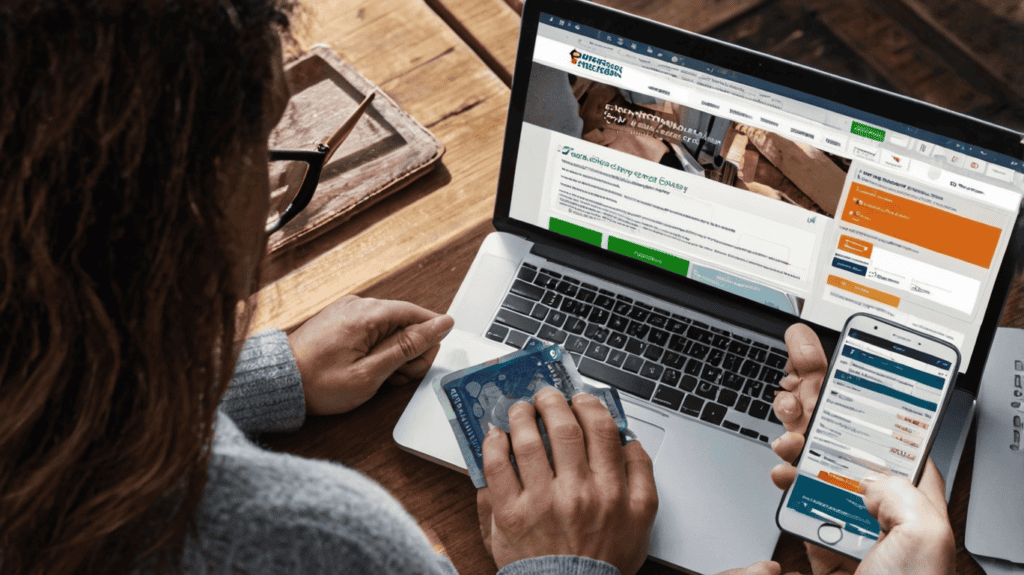
Premier gateways offer 24 hour support to ensure that they can resolve issues as they arise. They provide live chat, email, phone, and personalized account managers for high volume merchants.
Onboarding and Integration Support
Setting up a high-risk gateway can be complex. Providers should assist with integration, offer sandbox environments, and supply plug-and-play plugins for platforms like Shopify or Magento. Technical walkthroughs during onboarding minimize delays and prevent setup errors.
Dispute Resolution Assistance
Handling chargebacks effectively is key for high-risk merchants. Good gateways help collect necessary documents and evidence, automate chargeback responses, and integrate with tools that reduce the dispute win-loss ratio.
Gateway Reputation and Reviews
Before partnering with a high-risk payment gateway, it’s vital to assess its industry reputation and credibility. Look for proven success in your niche, strong partnerships, and consistent positive feedback from actual users.
Industry Experience and Specialization
Choose a provider with deep roots in specific high-risk verticals like CBD, adult, or forex.
Their experience and relationships with acquiring banks familiar with your industry lead to better support and fewer rejections.
Third-Party Reviews and Ratings
Evaluate platforms on G2, Capterra, and Trustpilot, and search industry forums for merchant feedback. Look for case studies and testimonials from businesses like yours to validate performance and trustworthiness.
Conclusion
Choosing the right high-risk payment gateway is crucial for the long-term success and stability of your business. Unlike standard gateways, a high-risk payment gateway is tailored to handle greater volatility, higher chargebacks, and tighter regulations. By prioritizing features like robust fraud prevention, chargeback alerts, multi-currency support, flexible APIs, and excellent customer service, you can reduce risk and boost operational efficiency.
Take time to assess each gateway’s technical capabilities, pricing transparency, compliance readiness, and real-world performance through reviews. A well-matched payment partner not only protects your business but also empowers it to grow globally and sustainably.