
Credit card authorization codes play a crucial role in the payment process, ensuring that transactions are secure and legitimate. These codes are generated by the issuing bank and provide merchants with the necessary information to authorize or decline a transaction. Understanding how credit card authorization codes work is essential for both merchants and consumers to ensure smooth and secure transactions.
In this comprehensive guide, we will delve into the world of credit card authorization codes, exploring their basics, generation process, components, types, and factors affecting their approval or decline. We will also address common issues related to authorization codes and provide troubleshooting tips. Additionally, we will answer frequently asked questions to provide a comprehensive understanding of this topic.
Understanding the Basics of Credit Card Authorization
Credit card authorization is the process of obtaining approval from the card issuer to complete a transaction. When a customer makes a purchase using a credit card, the merchant sends a request to the acquiring bank, which then forwards it to the card issuer for authorization.
The card issuer evaluates the request based on various factors, such as available credit, account status, and transaction history. If the request is approved, the card issuer generates an authorization code, which confirms that the transaction can proceed.
The Role of Authorization Codes in the Payment Process
Authorization codes serve as a crucial link between merchants, acquiring banks, and issuing banks in the payment process. These codes provide a standardized way of communicating the approval or decline of a transaction, ensuring that merchants can proceed with the sale or take appropriate action if the transaction is declined. Authorization codes also help prevent fraud by verifying the authenticity of the card and the availability of funds.
How Credit Card Authorization Works: Step-by-Step Guide
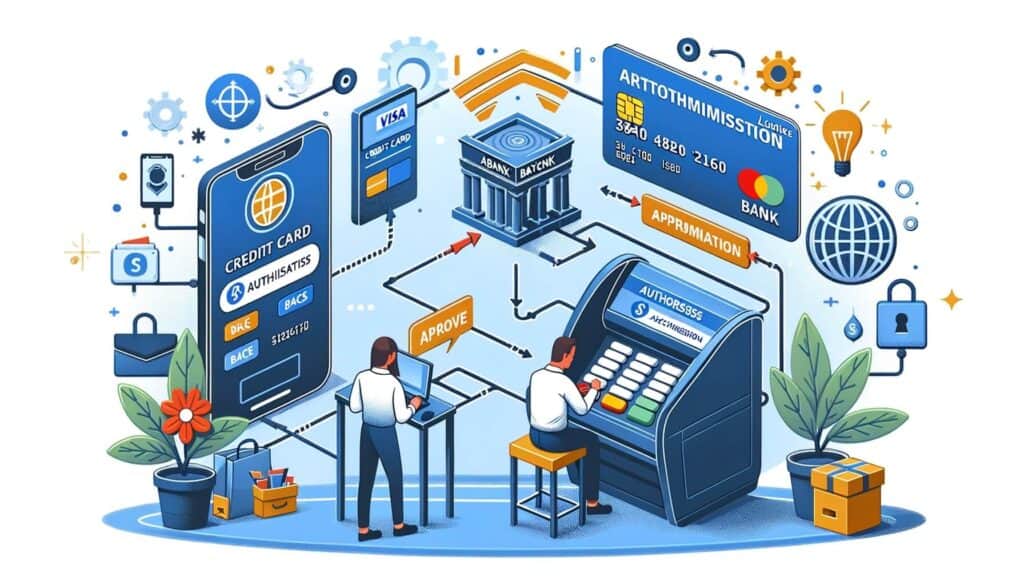
To understand how credit card authorization works, let’s walk through the step-by-step process:
Step 1: Customer initiates a transaction – The customer presents their credit card to the merchant and requests to make a purchase.
Step 2: Merchant sends a request – The merchant enters the transaction details into their point-of-sale (POS) system or payment gateway and sends a request for authorization to the acquiring bank.
Step 3: Acquiring bank forwards the request – The acquiring bank receives the authorization request from the merchant and forwards it to the card issuer.
Step 4: Card issuer evaluates the request – The card issuer reviews the request and assesses various factors, such as available credit, account status, and transaction history.
Step 5: Authorization response – The card issuer generates an authorization response, which includes an authorization code if the request is approved. This response is sent back to the acquiring bank.
Step 6: Acquiring bank relays the response – The acquiring bank relays the authorization response to the merchant, indicating whether the transaction is approved or declined.
Step 7: Transaction completion – If the transaction is approved, the merchant completes the transaction, and the customer receives their purchase. If declined, the merchant informs the customer and may offer alternative payment options.
Decoding the Components of an Authorization Code

An authorization code consists of several components that provide valuable information about the transaction. Understanding these components is essential for merchants to make informed decisions regarding the approval or decline of a transaction. The most common components of an authorization code include:
1. Approval or Decline Indicator: This component indicates whether the transaction is approved or declined. It is usually represented by a single letter or number, with “A” indicating approval and “D” indicating decline.
2. Response Code: The response code provides additional information about the authorization decision. It may indicate the reason for decline or any specific conditions associated with the approval.
3. Transaction Identifier: This component uniquely identifies the transaction and helps in tracking and reconciliation processes. It is often a combination of letters and numbers.
4. Authorization Amount: The authorization amount represents the approved amount for the transaction. It ensures that the merchant does not exceed the approved limit.
5. Expiration Date: The expiration date indicates the validity period of the authorization code. After this date, the code becomes invalid, and the merchant cannot proceed with the transaction.
Common Types of Authorization Codes and Their Meanings

Authorization codes can vary in format and meaning depending on the issuing bank and the specific circumstances of the transaction. However, there are some common types of authorization codes that merchants frequently encounter. Understanding these codes and their meanings is crucial for merchants to make informed decisions regarding the acceptance or decline of transactions. Some common types of authorization codes include:
1. Approval Codes: These codes indicate that the transaction has been approved by the issuing bank. They typically start with the letter “A” followed by a series of numbers.
2. Decline Codes: Decline codes signify that the transaction has been declined by the issuing bank. They often start with the letter “D” followed by a series of numbers.
3. Voice Authorization Codes: In some cases, the merchant may need to contact the issuing bank for a voice authorization code. These codes are provided over the phone and are used when the regular authorization process is not possible.
4. Conditional Approval Codes: Conditional approval codes indicate that the transaction is approved but subject to certain conditions. These conditions may include address verification, additional documentation, or further verification.
Factors Affecting the Approval or Decline of Authorization Codes

Several factors can influence the approval or decline of authorization codes. Understanding these factors is crucial for merchants to minimize the risk of declined transactions and ensure a smooth payment process. Some key factors affecting the approval or decline of authorization codes include:
1. Available Credit Limit: The available credit limit on the card plays a significant role in determining whether a transaction is approved or declined. If the transaction amount exceeds the available credit limit, the authorization code is likely to be declined.
2. Cardholder Verification: The accuracy of the cardholder’s information, such as the billing address and CVV code, is crucial for the approval of authorization codes. Mismatched or incorrect information can lead to declined transactions.
3. Risk Assessment: Issuing banks assess the risk associated with each transaction based on various factors, such as the merchant’s reputation, transaction history, and the location of the transaction. Transactions deemed high-risk may result in declined authorization codes.
4. Fraud Detection Systems: Issuing banks employ sophisticated fraud detection systems to identify and prevent fraudulent transactions. If a transaction triggers these systems, it may result in a declined authorization code.
Troubleshooting Authorization Code Issues
Despite taking all necessary precautions, merchants may encounter issues related to authorization codes. These issues can disrupt the payment process and lead to customer dissatisfaction. However, understanding common authorization code issues and their troubleshooting methods can help merchants resolve these problems efficiently. Some common authorization code issues and their troubleshooting methods include:
1. Declined Authorization Codes: If an authorization code is declined, merchants should inform the customer and ask for an alternative payment method. They can also contact the issuing bank to inquire about the reason for the decline and seek guidance on resolving the issue.
2. Expired Authorization Codes: If an authorization code has expired, merchants should inform the customer and request a new authorization code. They can also contact the issuing bank to verify the expiration date and request an extension if necessary.
3. Communication Errors: In some cases, communication errors between the merchant, acquiring bank, and issuing bank can lead to authorization code issues. Merchants should ensure that their communication systems are functioning correctly and contact their payment service provider for assistance if needed.
4. Technical Glitches: Technical glitches in the payment processing system can also cause authorization code issues. Merchants should check their system’s functionality, update any necessary software, and contact their payment service provider for technical support.
Best Practices for Secure Credit Card Authorization
To ensure secure credit card authorization, businesses should follow best practices to protect customer data and prevent fraud. Here are some essential practices to consider:
1. Use Secure Payment Gateways – Choose a reputable payment gateway that encrypts customer data and complies with industry security standards, such as PCI DSS (Payment Card Industry Data Security Standard).
2. Implement Two-Factor Authentication – Require customers to provide additional verification, such as a one-time password or biometric authentication, to enhance security during the authorization process.
3. Regularly Update Software and Systems – Keep your POS systems, payment gateways, and other software up to date with the latest security patches and updates to protect against vulnerabilities.
4. Train Employees on Security Protocols – Educate your staff on best practices for handling credit card information, including secure data storage, password management, and recognizing potential fraud indicators.
Frequently Asked Questions
Q1. What is the purpose of a credit card authorization code?
The purpose of a credit card authorization code is to verify the authenticity of the card and the availability of funds, ensuring secure and legitimate transactions.
Q2. How long is an authorization code valid?
The validity period of an authorization code varies depending on the issuing bank. Typically, authorization codes are valid for a limited period, usually ranging from a few days to a few weeks.
Q3. Can an authorization code be used multiple times?
No, an authorization code is typically valid for a single transaction. Once the transaction is completed or declined, the authorization code becomes invalid.
Q4. What should I do if my authorization code is declined?
If your authorization code is declined, you should contact the issuing bank to inquire about the reason for the decline. They can provide guidance on resolving the issue or suggest alternative payment methods.
Q5. Can I request a voice authorization code?
Yes, in certain situations, such as when the regular authorization process is not possible, you can request a voice authorization code by contacting the issuing bank over the phone.
Conclusion
Credit card authorization codes are an integral part of the payment process, ensuring secure and legitimate transactions. Understanding the basics of credit card authorization, the role of authorization codes, their generation process, components, types, and factors affecting their approval or decline is crucial for merchants and consumers alike.
By familiarizing themselves with common authorization code issues and their troubleshooting methods, merchants can minimize disruptions in the payment process and provide a seamless experience for their customers.