
NFC (Near Field Communication) mobile payments have revolutionized the way we make transactions in today’s digital age. With just a tap of your smartphone, you can conveniently pay for goods and services without the need for physical cash or cards.
This article will delve into the world of NFC mobile payments, exploring how the technology works, its benefits and advantages, how to set it up on your smartphone, popular NFC mobile payment apps and platforms, security measures and concerns, its comparison to other payment methods, its impact on different industries, and address frequently asked questions.
How Does NFC Technology Work?
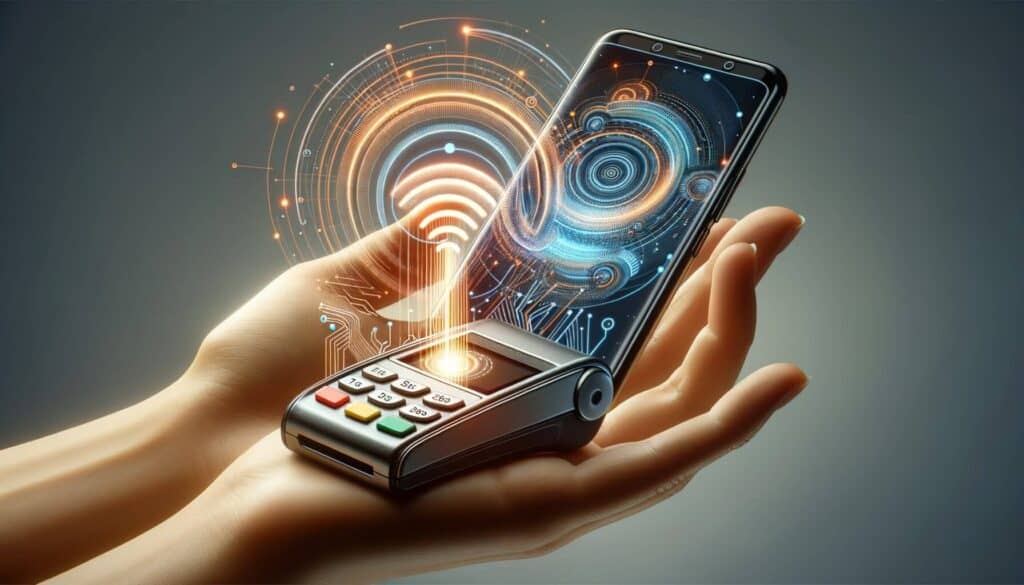
NFC technology enables two devices to communicate wirelessly when they are in close proximity, typically within a few centimeters. It operates on the principle of electromagnetic induction, where an electromagnetic field is created between two NFC-enabled devices, one acting as the initiator (e.g., a smartphone) and the other as the target (e.g., a payment terminal). This communication occurs at a frequency of 13.56 MHz, allowing for quick and secure data transfer.
When making an NFC mobile payment, the smartphone acts as a digital wallet, storing your payment information securely. To initiate a transaction, you simply unlock your phone and hold it near an NFC-enabled payment terminal.
The two devices establish a connection, and the necessary payment information, such as credit card details or digital wallet balance, is transmitted securely. Once the transaction is complete, you receive a confirmation on your smartphone, and the payment terminal acknowledges the successful transaction.
Benefits and Advantages of NFC Mobile Payments
NFC mobile payments offer numerous benefits and advantages over traditional payment methods. Firstly, they provide convenience and speed. With just a tap, you can complete a transaction within seconds, eliminating the need to carry physical cash or search for your wallet. This convenience is particularly useful in situations where time is of the essence, such as during rush hour or when you’re in a hurry.
Secondly, NFC mobile payments offer enhanced security. Unlike physical cards, which can be lost or stolen, NFC payments require authentication through biometric features like fingerprint or facial recognition. This adds an extra layer of security, reducing the risk of fraudulent transactions. Additionally, NFC technology utilizes encryption to protect your payment information during transmission, making it difficult for hackers to intercept and misuse your data.
Another advantage of NFC mobile payments is their compatibility with a wide range of devices and platforms. Most modern smartphones are equipped with NFC capabilities, allowing users to make payments regardless of their operating system. Furthermore, NFC technology is not limited to payments alone. It can be used for various applications, such as accessing public transportation, sharing files, or connecting to Bluetooth devices, making it a versatile tool for everyday use.
Setting Up NFC Mobile Payments on Your Smartphone
Setting up NFC mobile payments on your smartphone is a straightforward process. Firstly, ensure that your device supports NFC technology. Most modern smartphones, including iPhones and Android devices, come with built-in NFC capabilities. If your device doesn’t have NFC, you may need to purchase an external NFC adapter.
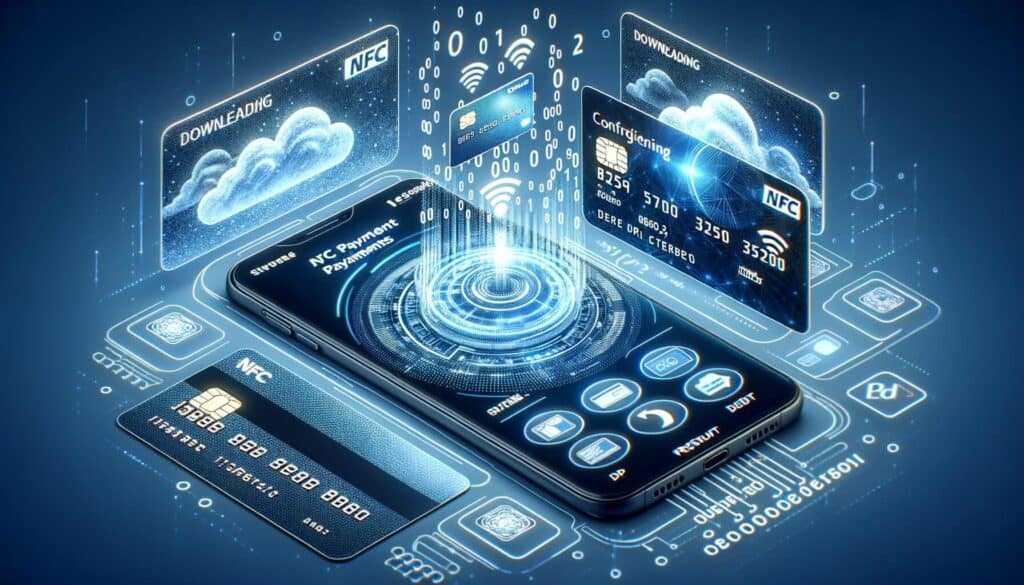
Once you’ve confirmed NFC compatibility, you need to add your payment information to your smartphone’s digital wallet. This can be done by linking your credit or debit card to a mobile payment app, such as Apple Pay, Google Pay, or Samsung Pay. These apps securely store your payment information and generate a unique token for each transaction, ensuring that your card details are never shared with the merchant.
To add a card to your digital wallet, open the mobile payment app and follow the on-screen instructions. You may be required to enter your card details manually or scan the card using your smartphone’s camera. Once the card is added, you may need to verify your identity through a verification code sent by your bank. After completing these steps, your card is ready to be used for NFC mobile payments.
Popular NFC Mobile Payment Apps and Platforms
There are several popular NFC mobile payment apps and platforms available today, each offering unique features and compatibility with different devices. Let’s explore some of the most widely used options:
1. Apple Pay: Apple Pay is a mobile payment app exclusive to Apple devices, including iPhones, iPads, and Apple Watches. It allows users to make secure payments using their linked credit or debit cards. Apple Pay also supports contactless payments through NFC technology and can be used at various merchants worldwide.
2. Google Pay: Google Pay is a mobile payment app available for both Android and iOS devices. It enables users to add their credit or debit cards and make payments using NFC technology. Google Pay also offers additional features, such as the ability to store loyalty cards, send money to friends, and make online purchases.
3. Samsung Pay: Samsung Pay is a mobile payment app designed for Samsung devices, including smartphones and smartwatches. It supports NFC payments, as well as Magnetic Secure Transmission (MST) technology, which allows users to make payments at traditional magnetic stripe card terminals. This makes Samsung Pay compatible with a wider range of payment terminals.
4. PayPal: PayPal is a popular online payment platform that also offers NFC mobile payment capabilities. Users can link their PayPal account to their mobile payment app and make contactless payments using NFC technology. PayPal also provides additional features, such as peer-to-peer transfers and online shopping integration.
Security Measures and Concerns with NFC Mobile Payments
While NFC mobile payments offer enhanced security compared to traditional payment methods, it’s important to be aware of potential security measures and concerns. One of the primary security measures is the use of tokenization. When making an NFC payment, your payment information is replaced with a unique token, which is transmitted to the payment terminal. This token is useless to hackers, as it cannot be used to make fraudulent transactions.
Additionally, NFC mobile payments require authentication through biometric features, such as fingerprint or facial recognition. This ensures that only authorized users can initiate transactions, adding an extra layer of security. Furthermore, NFC technology utilizes encryption to protect your payment information during transmission, making it difficult for hackers to intercept and decipher the data.
Despite these security measures, there are still some concerns associated with NFC mobile payments. One concern is the potential for unauthorized access to your smartphone. If your device is lost or stolen, someone could potentially make unauthorized payments using your digital wallet. To mitigate this risk, it’s important to enable security features on your smartphone, such as passcodes or biometric authentication, and report any lost or stolen devices immediately.
Another concern is the possibility of data interception during transmission. While NFC technology utilizes encryption to protect your payment information, there is still a small risk of interception by skilled hackers. However, the likelihood of such attacks is relatively low, as NFC transmissions occur over short distances and require close proximity to the payment terminal.
NFC Mobile Payments vs. Other Payment Methods
NFC mobile payments offer several advantages over other payment methods, such as cash, cards, and online transfers. Let’s compare NFC mobile payments to these traditional methods:
1. Cash: NFC mobile payments eliminate the need for physical cash, providing a more convenient and hygienic payment option. With cash, you need to carry the exact amount or deal with change, whereas NFC payments allow for quick and precise transactions. Additionally, NFC payments offer enhanced security compared to cash, as they require authentication and provide transaction records.
2. Cards: While both NFC mobile payments and card payments offer convenience, NFC payments provide an added layer of security. With card payments, there is a risk of card skimming or theft, whereas NFC payments require authentication and tokenization, making it difficult for hackers to misuse your payment information. NFC payments also eliminate the need to carry multiple cards, as you can link multiple cards to your digital wallet.
3. Online Transfers: NFC mobile payments offer a more seamless and immediate payment experience compared to online transfers. With online transfers, you typically need to log in to your banking app or website, enter the recipient’s details, and wait for the transfer to be processed. NFC payments, on the other hand, can be completed within seconds by simply tapping your smartphone. NFC payments also eliminate the need to share sensitive banking information, as your payment details are securely stored in your digital wallet.
NFC Mobile Payments in Different Industries
NFC mobile payments have made a significant impact across various industries, transforming the way transactions are conducted. Let’s explore some of the industries that have embraced NFC mobile payments:
1. Retail: NFC mobile payments have become increasingly popular in the retail industry, allowing customers to make quick and secure payments at checkout. Many retailers have adopted NFC-enabled payment terminals, enabling customers to tap their smartphones for contactless payments. This not only enhances the customer experience but also reduces transaction times and the need for physical cash handling.
2. Transportation: NFC mobile payments have revolutionized the transportation industry, particularly in public transit systems. Many cities have implemented NFC-enabled fare gates and ticketing systems, allowing commuters to tap their smartphones or smart cards for seamless entry. This eliminates the need for physical tickets or cards, streamlines the boarding process, and reduces the risk of ticket fraud.
3. Hospitality: NFC mobile payments have found applications in the hospitality industry, particularly in hotels and restaurants. Many establishments now offer NFC-enabled payment terminals, allowing guests to conveniently settle their bills using their smartphones. NFC payments also enable contactless room key access, enhancing the overall guest experience and reducing the risk of lost or demagnetized key cards.
4. Entertainment: NFC mobile payments have also made their way into the entertainment industry, enabling seamless transactions at events and venues. For example, at music festivals or sporting events, attendees can use their smartphones to make payments for food, drinks, merchandise, or even access exclusive content. This eliminates the need for physical tickets or cash, enhancing the overall event experience.
Frequently Asked Questions about NFC Mobile Payments
Q1. What devices support NFC mobile payments?
Answer: Most modern smartphones, including iPhones and Android devices, support NFC mobile payments. However, it’s important to check your device’s specifications to ensure NFC compatibility.
Q2. Are NFC mobile payments secure?
Answer: Yes, NFC mobile payments offer enhanced security compared to traditional payment methods. They utilize tokenization, biometric authentication, and encryption to protect your payment information during transmission.
Q3. Can I use NFC mobile payments without an internet connection?
Answer: Yes, NFC mobile payments can be made without an internet connection. The payment information is stored securely on your smartphone and transmitted to the payment terminal via NFC technology.
Q4. Can I use NFC mobile payments internationally?
Answer: Yes, NFC mobile payments can be used internationally, provided that the payment terminal supports NFC technology. However, it’s important to check with your bank or payment app for any additional fees or restrictions.
Q5. What should I do if my smartphone is lost or stolen?
Answer: If your smartphone is lost or stolen, it’s important to report it to your service provider and enable remote locking or wiping features. Additionally, contact your bank or payment app to suspend or remove your payment information from the device.
Conclusion
NFC mobile payments have revolutionized the way we make transactions, offering convenience, speed, and enhanced security. With just a tap of your smartphone, you can complete a payment within seconds, eliminating the need for physical cash or cards. NFC technology enables secure communication between devices, utilizing tokenization, biometric authentication, and encryption to protect your payment information.
NFC mobile payments have found applications in various industries, such as retail, transportation, hospitality, and entertainment, transforming the way transactions are conducted. While NFC mobile payments offer numerous benefits, it’s important to be aware of potential security concerns and take necessary precautions to protect your payment information.
With the continued advancement of technology, NFC mobile payments are likely to become even more prevalent in the future, further simplifying and enhancing our payment experiences.