
In today’s digital age, electronic payment methods have become increasingly popular, offering convenience, speed, and security. One such method is the Automated Clearing House (ACH) transfer. ACH transfers enable individuals and businesses to electronically move funds between bank accounts, providing a reliable and efficient alternative to traditional paper-based transactions.
This comprehensive guide aims to provide a detailed understanding of ACH transfers, including how they work, their benefits, step-by-step setup instructions, a comparison with wire transfers, associated fees and processing times, security measures, troubleshooting tips, and answers to frequently asked questions.
How Does an ACH Transfer Work?

ACH transfers facilitate the movement of funds between bank accounts through a secure network managed by the National Automated Clearing House Association (NACHA). The process involves three main parties: the originator, the receiver, and the respective financial institutions.
1. Initiation: The originator, who can be an individual or a business, initiates the Automated Clearing House (ACH) transfer by providing the necessary information, such as the receiver’s bank account number, routing number, and the amount to be transferred.
2. Originating Depository Financial Institution (ODFI): The originator’s bank, acting as the ODFI, receives the transfer request and verifies the provided information. They then transmit the request to the ACH network.
3. ACH Network: The ACH network acts as an intermediary, facilitating the secure transmission of the transfer request between the ODFI and the receiver’s financial institution.
4. Receiving Depository Financial Institution (RDFI): The receiver’s bank, acting as the RDFI, receives the transfer request from the ACH network. They verify the information and credit the funds to the receiver’s account.
5. Settlement: The ODFI and RDFI settle the transfer by debiting and crediting the respective accounts involved in the transaction.
Benefits of Using ACH Transfers

Automated Clearing House (ACH) transfers offer numerous advantages over traditional payment methods, making them a preferred choice for individuals and businesses alike.
1. Cost-Effective: ACH transfers are typically more affordable than other payment methods, such as wire transfers or paper checks. They often involve lower transaction fees, making them an attractive option for businesses processing a high volume of payments.
2. Convenience and Efficiency: ACH transfers eliminate the need for physical checks, reducing administrative tasks and costs associated with printing, mailing, and processing paper-based payments. Additionally, Automated Clearing House (ACH) transfers can be scheduled in advance, allowing for automated recurring payments.
3. Faster Processing Times: While ACH transfers are not instantaneous like wire transfers, they are generally faster than traditional paper-based transactions. Funds are typically available within one to three business days, depending on the banks involved.
4. Enhanced Security: Automated Clearing House (ACH) transfers are highly secure, utilizing encryption and authentication protocols to protect sensitive financial information. The electronic nature of ACH transfers also reduces the risk of lost or stolen checks.
Setting Up an ACH Transfer: Step-by-Step Guide

Setting up an ACH transfer is a straightforward process that requires a few essential steps. Follow this step-by-step guide to initiate an Automated Clearing House (ACH) transfer successfully:
1. Gather Required Information: Collect the necessary details, including the receiver’s bank account number, routing number, and the amount to be transferred.
2. Choose an ACH Service Provider: Select a reliable ACH service provider that meets your specific needs. Consider factors such as transaction fees, customer support, and integration capabilities.
3. Verify Receiver’s Bank Account Information: Double-check the accuracy of the receiver’s bank account number and routing number to ensure a seamless transfer.
4. Initiate the Transfer: Log in to your ACH service provider’s platform and enter the required information, including the receiver’s bank account details and the transfer amount. Review the details carefully before submitting the transfer request.
5. Confirm and Schedule the Transfer: Once you have reviewed the transfer details, confirm the transaction and schedule it for processing. Some ACH service providers offer the option to schedule recurring transfers for added convenience.
6. Monitor the Transfer: Keep track of the transfer’s progress through your ACH service provider’s platform. You may receive notifications or updates regarding the transfer’s status.
7. Verify Successful Transfer: Once the transfer is complete, verify that the funds have been successfully credited to the receiver’s account. Confirm with the receiver to ensure a smooth transaction.
ACH Transfer vs. Wire Transfer: What’s the Difference?
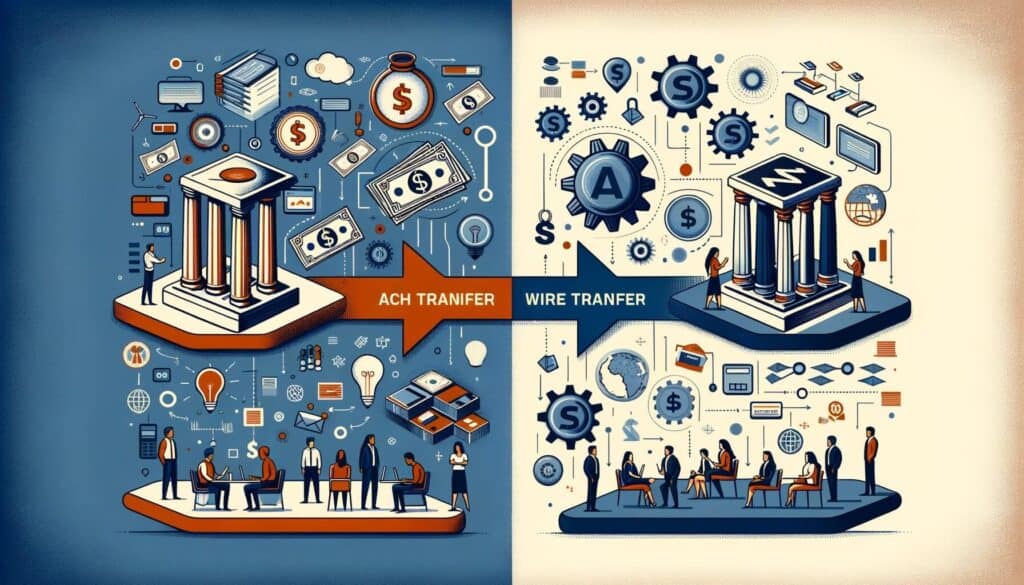
While both Automated Clearing House (ACH) transfers and wire transfers facilitate the movement of funds electronically, there are significant differences between the two methods.
1. Speed: Wire transfers are typically faster than Automated Clearing House (ACH) transfers, with funds being available within hours or even minutes. ACH transfers, on the other hand, may take one to three business days for funds to be credited.
2. Cost: Wire transfers are generally more expensive than Automated Clearing House (ACH) transfers. Banks often charge higher fees for wire transfers due to their faster processing times and additional security measures.
3. Transaction Limits: Wire transfers usually have higher transaction limits compared to ACH transfers. This makes wire transfers more suitable for large transactions, such as purchasing real estate or making significant investments.
4. Recurring Payments: Automated Clearing House (ACH) transfers are ideal for recurring payments, such as payroll or monthly bills, as they can be scheduled in advance. Wire transfers are typically used for one-time, immediate transfers.
ACH Transfer Fees and Processing Times
The fees associated with ACH transfers vary depending on the financial institutions involved and the specific service provider chosen. While some banks offer Automated Clearing House (ACH) transfers free of charge, others may charge a nominal fee per transaction. It is advisable to check with your bank or ACH service provider for their fee structure.
Processing times for ACH transfers also vary. Generally, Automated Clearing House (ACH) transfers take one to three business days for funds to be credited to the receiver’s account. However, some ACH service providers offer expedited processing options for an additional fee, allowing for same-day or next-day transfers.
ACH Transfer Security and Fraud Prevention Measures
Security is a paramount concern when it comes to electronic transactions. Automated Clearing House (ACH) transfers employ several security measures to protect sensitive financial information and prevent fraud.
1. Encryption: Automated Clearing House (ACH) transfers utilize encryption protocols to secure data transmission between financial institutions. This ensures that the information exchanged during the transfer remains confidential and cannot be intercepted or tampered with.
2. Authentication: ACH transfers require authentication to verify the identity of the originator and receiver. This may involve the use of unique identifiers, passwords, or multi-factor authentication methods.
3. Fraud Monitoring: Financial institutions employ sophisticated fraud monitoring systems to detect and prevent fraudulent Automated Clearing House (ACH) transfers. These systems analyze transaction patterns, identify suspicious activity, and trigger alerts or additional verification steps when necessary.
4. Compliance with Regulations: ACH transfers adhere to strict regulatory guidelines, such as those set by the NACHA and the Office of Foreign Assets Control (OFAC). These regulations aim to prevent money laundering, terrorist financing, and other illicit activities.
Common Issues and Troubleshooting Tips for ACH Transfers
While Automated Clearing House (ACH) transfers are generally reliable, occasional issues may arise. Here are some common problems and troubleshooting tips to help resolve them:
1. Incorrect Bank Account Information: Double-check the accuracy of the receiver’s bank account number and routing number. Even a minor error can result in a failed transfer. If an error is detected, contact your ACH service provider or bank to rectify the issue.
2. Insufficient Funds: Ensure that your account has sufficient funds to cover the transfer amount. Insufficient funds can lead to a failed transfer or incur overdraft fees. Monitor your account balance and make necessary arrangements before initiating the transfer.
3. Transfer Rejection: In some cases, transfers may be rejected by the receiver’s bank due to various reasons, such as closed accounts or account freezes. If a transfer is rejected, contact your ACH service provider or bank for assistance in resolving the issue.
4. Delayed Processing: While ACH transfers are generally processed within one to three business days, delays may occur due to weekends, holidays, or technical issues. If a transfer is taking longer than expected, contact your ACH service provider or bank to inquire about the status.
Frequently Asked Questions (FAQs)
Q1. What is the maximum amount that can be transferred through an ACH transfer?
Answer: The maximum amount that can be transferred through an Automated Clearing House (ACH) transfer varies depending on the financial institutions involved. It is advisable to check with your bank or ACH service provider for their specific transaction limits.
Q2. Can I cancel or modify an Automated Clearing House (ACH) transfer once it has been initiated?
Answer: Once an Automated Clearing House (ACH) transfer has been initiated, it may not be possible to cancel or modify it. However, contacting your ACH service provider or bank immediately may allow them to intervene before the transfer is processed.
Q3. Are ACH transfers available internationally?
Answer: ACH transfers are primarily used for domestic transactions within the United States. International transfers typically require the use of wire transfers or other specialized payment methods.
Q4. Can I receive ACH transfers if I do not have a bank account?
Answer: Generally, a bank account is required to receive ACH transfers. However, some alternative financial service providers may offer options for receiving ACH transfers without a traditional bank account.
Conclusion
ACH transfers have revolutionized the way individuals and businesses handle electronic payments. With their cost-effectiveness, convenience, and enhanced security measures, ACH transfers have become a preferred method for moving funds between bank accounts. By understanding how ACH transfers work, their benefits, setup procedures, associated fees, security measures, and troubleshooting tips, individuals and businesses can confidently utilize this electronic payment method to streamline their financial transactions.